

Most people who start an affair don’t plan to get caught. They think they’re smart, careful, or that their partner won’t notice. But affairs don’t end quietly. They unravel. And when they do, the damage isn’t just to the relationship-it’s to your reputation, your peace of mind, and sometimes, your entire life.
Secrets don’t stay secret forever
There’s no such thing as a perfect affair. Even the most carefully managed ones leave traces. A late-night text. A changed work schedule. A new perfume on your shirt. A sudden trip to the city on a Friday. Your partner doesn’t need proof-they just need to feel something’s off. And humans are wired to notice when something’s wrong in a relationship they’ve trusted for years.
Studies show that 60% of affairs are discovered within the first 18 months. Not because the person was sloppy. But because emotions grow. Conversations deepen. Time spent together becomes routine. And routines create patterns. Patterns get noticed.
Emotional affairs are the quietest killers
Many people think an affair only counts if it’s physical. That’s a myth. The real danger isn’t sex-it’s emotional intimacy. When you start sharing your deepest fears, dreams, and frustrations with someone outside your relationship, you’re already building a parallel life. That’s harder to hide than a one-night stand.
Think about it: if you’re texting your affair partner every night before bed, sharing inside jokes, or calling them when you’re upset, you’re not just having an affair-you’re building a new emotional foundation. And foundations don’t stay hidden. They leak.
Communication is your biggest liability
One of the worst things you can do is try to justify your affair to the other person. Saying things like, “I never meant for this to happen,” or “You’re the only one who understands me,” doesn’t make it better. It makes it worse.
Those words become evidence. They get saved. Screenshotted. Forwarded. Used later. Even if you believe them, they’re not truth-they’re emotional noise. And noise doesn’t stay quiet.
Real control in an affair comes from silence. Not saying too much. Not texting too often. Not making promises you can’t keep. The less you say, the less there is to find.
Timing and distance are your allies
Successful affairs aren’t about passion-they’re about logistics. You need space. You need time. You need routines that don’t overlap.
Meet during lunch breaks, not weekends. Use public places, not hotels. Keep calls short. Avoid using your phone for anything that could be traced. Don’t use shared accounts. Don’t book trips under your name. Don’t use the same credit card for dinner as you do at home.
People don’t get caught because they had sex. They get caught because they used the same airline loyalty account. Or paid for a hotel with the same card they use for groceries. Or left a receipt in their coat pocket.

Don’t involve your children
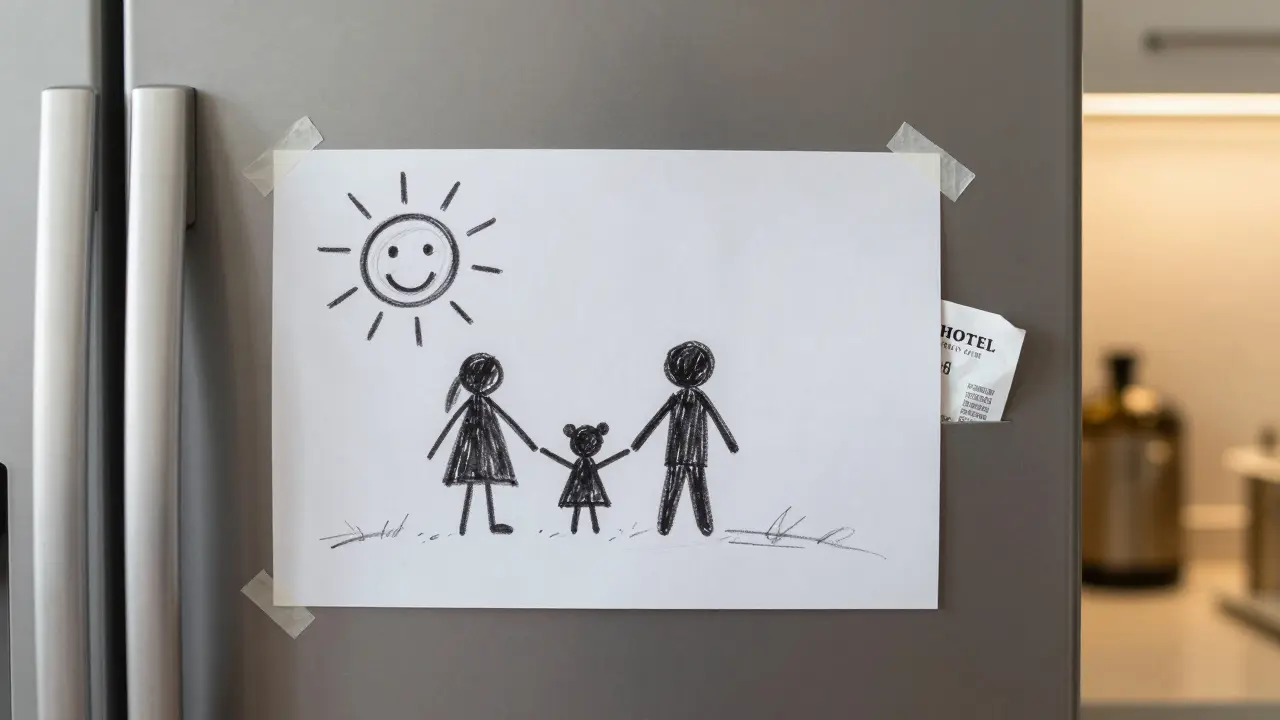
If you have kids, this isn’t just about protecting your marriage-it’s about protecting them. Children notice more than you think. A parent who’s distracted, emotionally distant, or suddenly overly affectionate after being cold for months? They sense it. They don’t understand it, but they feel it.
And when the affair ends-or gets exposed-they’re the ones left cleaning up the emotional mess. They don’t need to know the details. They just need to feel safe. And they won’t feel safe if they see their parent lying, hiding, or breaking promises.
The exit plan is more important than the affair
Most people don’t plan to leave their partner. They think the affair is temporary. But temporary affairs rarely stay that way. Emotions grow. The other person starts expecting more. You start wondering what life would be like if you were with them.
That’s when things spiral. You start imagining divorce. You start planning. You start lying to everyone-including yourself.
The only way to survive an affair without total destruction is to have a clear exit strategy. Not a dramatic one. Not a “I’m leaving my wife for you” moment. A quiet one. A slow fade. A reduction in contact. A return to normalcy.
That means: stop initiating contact. Stop making excuses. Stop letting the affair become your emotional anchor. If you’re serious about protecting your life, you have to let it go-even if you still care.
What happens when it ends
Most affairs end badly. Not because someone got caught-but because the fantasy collapsed. The person you thought was your soulmate turns out to be just another human being with their own insecurities, bad habits, and unresolved baggage.
When the thrill fades, so does the magic. And then you’re left with guilt, regret, and a relationship you’ve already damaged beyond repair.
There’s no happy ending in an affair. Only varying degrees of damage. Some people walk away with their marriage intact. Others lose their family, their job, their friends. And a few lose themselves.
Is there ever a good reason?
People say they had an affair because their marriage was unhappy. Maybe it was. But an affair doesn’t fix a broken relationship-it buries it under layers of lies.
If your marriage is failing, talk to a counselor. Talk to your partner. Be honest. Even if it hurts. Because the truth, no matter how painful, is the only thing that can rebuild something real.
An affair is a shortcut to nowhere. It doesn’t solve problems. It creates new ones. And the cost? It’s always higher than you think.
What to do instead
If you’re feeling disconnected from your partner, start here:
- Have one real conversation this week-no phones, no distractions.
- Ask: “What do you need from me that you’re not getting?”
- Listen. Don’t defend. Don’t explain. Just listen.
- Go to couples therapy-even if your partner says no. One person can start the change.
- Rebuild trust by being consistent, not dramatic.
Real connection doesn’t come from secrecy. It comes from showing up-every day-without a mask.
Final truth
You can’t manage an affair without risking everything. The keys to success? There aren’t any. Not really.
The only way to win is not to play.
Can you really keep an affair hidden forever?
No. Even the most careful affairs leave digital, emotional, or behavioral traces. People get caught not because they were careless, but because human behavior is predictable. Patterns emerge. Trust erodes. And eventually, someone notices.
Are emotional affairs worse than physical ones?
They’re not worse-they’re different. Physical affairs are easier to deny. Emotional affairs are harder to undo because they rewrite your inner world. You start seeing your partner through the lens of someone else. That’s harder to fix than a single act of infidelity.
What’s the most common way affairs are discovered?
By accident. A text message left open on a phone. A hotel receipt in a coat. A social media comment that gets seen. Or a change in behavior that feels off. Most affairs aren’t found through spying-they’re found because something felt wrong, and someone finally asked questions.
Can an affair ever lead to a better relationship?
Rarely. Sometimes people leave their marriage and marry their affair partner-but 70% of those relationships fail within five years. The passion that started the affair rarely survives the reality of daily life. The real issue-the one that made you feel disconnected-is still there.
How do you know if you’re in an emotional affair?
If you’re hiding the depth of your conversations, feeling guilty after talking to them, or thinking about them more than your partner-you’re in one. Emotional affairs feel like love, but they’re really about escape. They’re not about connection-they’re about avoidance.