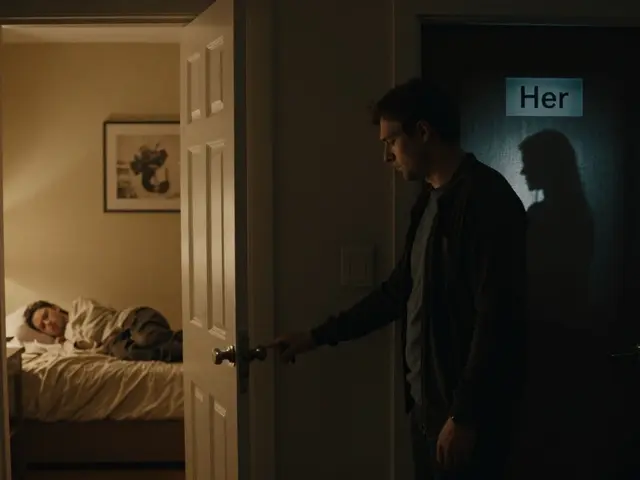

Let’s get real for a second. If you’ve cheated on someone once, that’s bad enough. But if you’ve done it multiple times with the same person? That’s not a mistake. That’s a pattern. And patterns don’t just break trust-they erase it.
It’s Not About the Act. It’s About the Habit.
People think cheating is a one-time slip-up. A moment of weakness. A bad decision fueled by alcohol, stress, or loneliness. But when you cheat with the same person over and over, you’re not reacting-you’re choosing. Every time you go back to that same person, you’re telling your partner: “I’d rather lie to you than face what’s broken between us.”
It’s not about lust. It’s about avoidance. You’re not running to her-you’re running from your own responsibility. From the hard conversations. From the work of fixing what’s broken. You’ve turned betrayal into a comfort zone. And that’s far more dangerous than any single act of cheating.
Why Repeat With the Same Person?
Most affairs start with chemistry. But repeated affairs with the same person? That’s not chemistry. That’s a system.
- You know how she reacts when you show up.
- You know what she’ll say when you apologize.
- You know how to slip back in without getting caught.
It’s not random. It’s routine. You’ve built a secret life around her. And the more you do it, the more normal it feels. That’s the trap. You stop seeing it as cheating. You start seeing it as... relief.
Studies show that people who cheat multiple times with the same partner are three times more likely to end their primary relationship within a year. Not because they fell out of love. But because the pattern became unsustainable. The lies piled up. The guilt ate at them. And eventually, the weight of it all collapsed.
The Emotional Toll Isn’t Just on Your Partner
Most people focus on how the partner feels. But what about you? How does it feel to lie every day? To rehearse excuses? To lie to yourself about why you keep going back?
Repeated betrayal doesn’t just hurt your partner-it hollows you out. You start losing touch with your own values. You stop trusting yourself. You become someone you don’t recognize: someone who says “I love you” while texting someone else. Someone who cries during movies but doesn’t cry when their relationship is dying.
There’s a reason therapists call this “chronic infidelity.” It’s not just about sex. It’s about identity erosion. You’re not just cheating on your partner. You’re cheating on the person you used to be.

She’s Not the Problem. The Pattern Is.
It’s easy to blame her. “She’s manipulative.” “She’s addictive.” “She’s the reason I keep going back.”
But here’s the truth: you’re the only one who walks through her door. You’re the only one who chooses to lie. You’re the only one who has the power to stop.
People who cheat repeatedly with the same person often say things like:
- “I can’t help it.”
- “She understands me.”
- “I’m just drawn to her.”
But those aren’t reasons. They’re excuses. If you can’t help it, then you’re not in control. And if you’re not in control, then you’re not ready for a real relationship. Real relationships require honesty, not habit.
What Happens When You Get Caught?
When the truth comes out-because it always does-the fallout isn’t just about anger. It’s about credibility.
One cheat? Some people can forgive. Two? Maybe. Three? That’s when trust becomes a myth. Your partner doesn’t just lose faith in you. They lose faith in their own judgment. They start wondering: “If he did this three times, what else is he hiding?”
And here’s the kicker: even if you stay together, the relationship never recovers. Not really. The shadows linger. Every argument becomes a chance to revisit the betrayal. Every quiet moment feels heavy. You’re not living together. You’re surviving together.
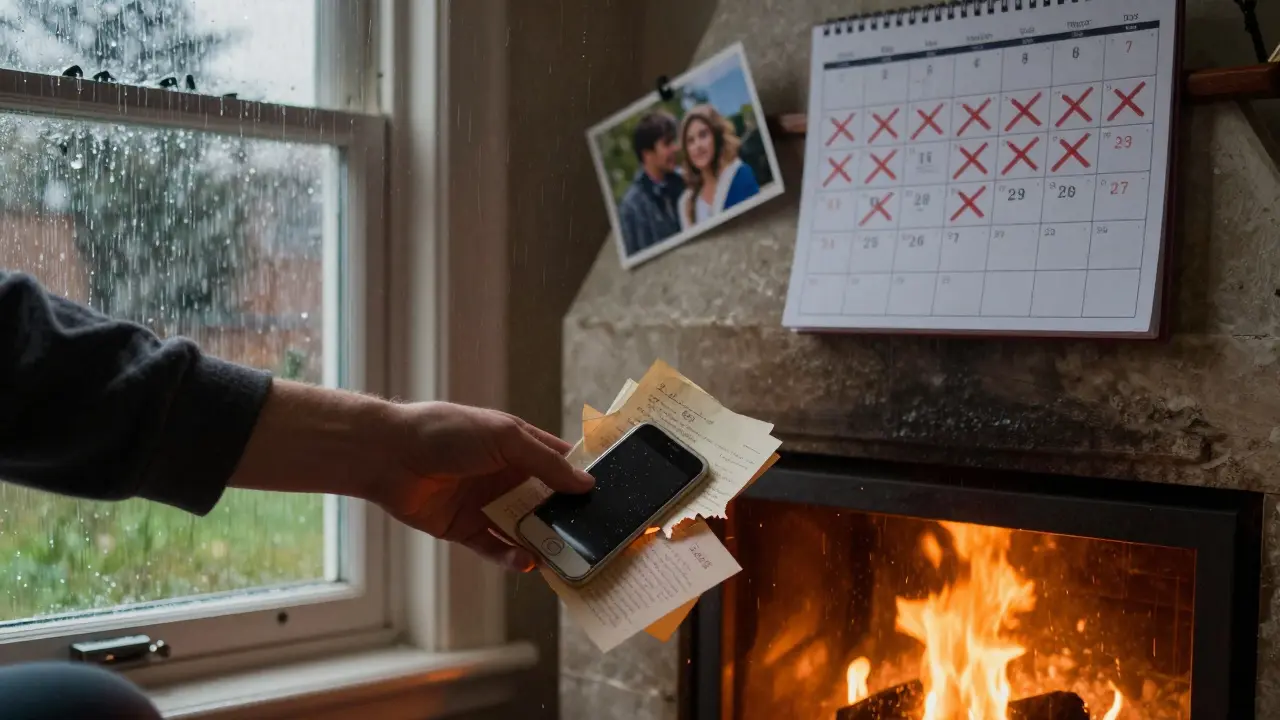
It’s Not About Love. It’s About Control.
Here’s what most people don’t admit: cheating repeatedly with the same person isn’t about passion. It’s about control.
You control when you leave. You control when you return. You control who knows. You control the narrative. You get to be the hero in your own story-even while you’re the villain in hers.
That’s the sick part. You don’t want to leave your partner. You just want to keep the fantasy alive. You want to have your cake and eat it too. But relationships aren’t desserts. They’re commitments. And commitments require consistency-not convenience.
What’s the Alternative?
Let’s say you’re reading this and thinking: “Yeah, I’ve done this. What now?”
Here’s what actually works:
- Stop all contact. Not “I’ll be careful.” Not “I’ll just text.” Zero. Full stop. Block her. Delete the photos. Burn the scripts you’ve written in your head.
- Get honest with yourself. What are you really avoiding? Boredom? Loneliness? Fear of conflict? Write it down. Don’t sugarcoat it.
- Talk to your partner. Not to apologize. Not to beg. But to say: “I’ve been dishonest. I need to fix this. I need help.”
- Seek real help. Therapy isn’t a last resort. It’s a reset. A good couples therapist can help you rebuild what’s broken-not just cover it up.
It’s not about punishment. It’s about change. And change doesn’t happen when you’re hiding. It happens when you’re exposed.
Final Thought: You’re Not a Monster. But You Are a Choice-Maker.
You’re not a bad person because you cheated. You’re a person who made bad choices. And if you keep making them, you’ll keep living in the same cycle: guilt, shame, denial, repeat.
But here’s the good news: you still have a choice. You can keep lying. Or you can start telling the truth-even when it hurts.
Because the woman you keep cheating with? She’s not your salvation. She’s your distraction. And the longer you stay in that pattern, the more you lose: your integrity, your peace, and the chance to build something real.
Why do people cheat multiple times with the same person?
People cheat repeatedly with the same person because it becomes a predictable escape. They know how she’ll react, how to hide it, and how to slip back into their relationship without consequences. It’s not about love-it’s about avoiding hard truths in their primary relationship. The pattern offers comfort, control, and emotional numbness, making it harder to break than a one-time mistake.
Can a relationship survive after repeated cheating?
Yes-but only if both people are willing to do deep, honest work. Most relationships don’t survive because the cheater refuses to take responsibility. Survival requires total transparency, consistent behavior over time, and professional help. It’s not about forgiveness. It’s about rebuilding trust brick by brick, and most people aren’t willing to put in that kind of effort.
Is emotional cheating worse than physical cheating?
It’s not about which is worse-it’s about what’s being lost. Physical cheating hurts because of the act. Emotional cheating hurts because of the intimacy. Repeated emotional affairs often leave deeper scars because they involve secrets, shared thoughts, and emotional dependency. Many people say emotional betrayal cuts deeper because it feels like a theft of the soul, not just the body.
How do you know if you’re addicted to cheating?
If you feel anxious or restless when you’re not seeing the other person, if you lie without thinking, if you’ve lost interest in fixing your primary relationship, or if you’ve tried to stop and failed-those are signs of addiction. Cheating becomes compulsive when it’s used to avoid emotions, not to connect. It’s not about desire. It’s about escape.
Should I tell my partner about past cheating if I’ve stopped?
Only if you’re ready to take full responsibility and accept the consequences. Hiding past behavior while claiming to be “reformed” is still dishonest. If you’re truly changing, the truth will come out naturally-through transparency, not confession. Forcing it as a “confession” can retraumatize your partner. The goal isn’t to unburden yourself. It’s to rebuild trust.