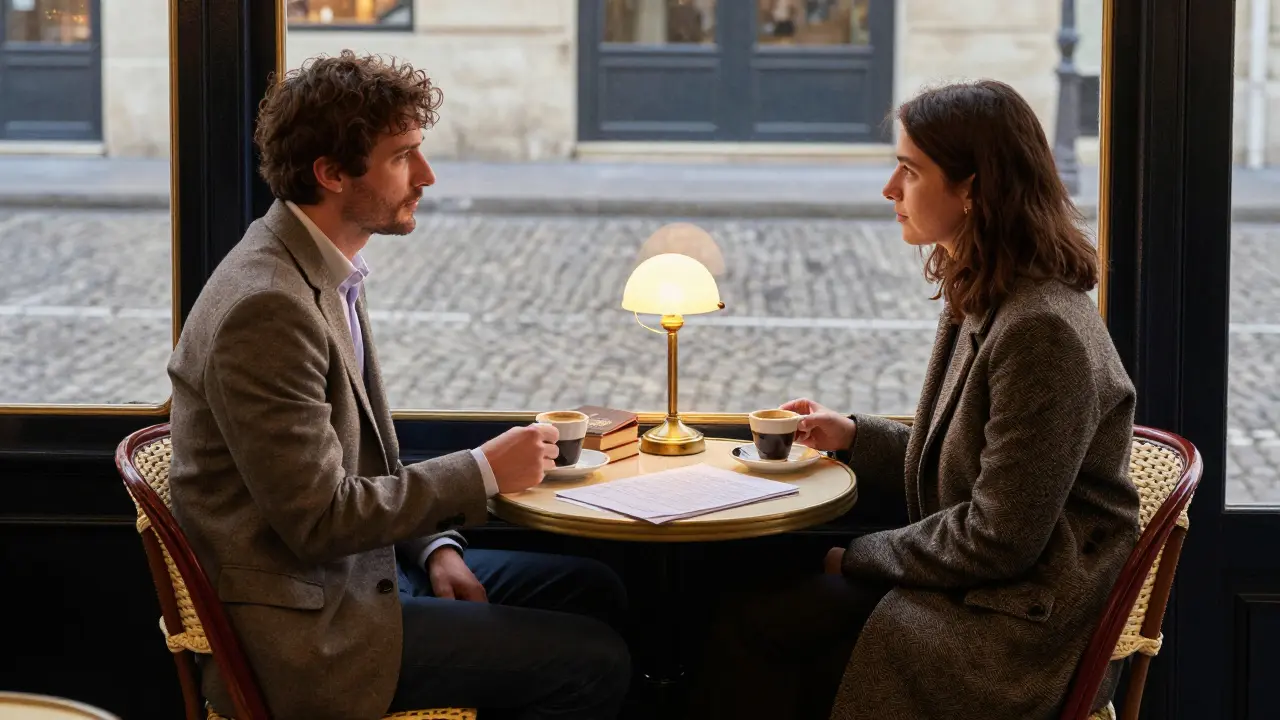
Walking into a meeting in Paris without knowing the local rhythm is like showing up to a dinner party in socks. You might mean well, but you’ll feel out of place-and others will notice. Paris isn’t just another city with fancy cafés and cobblestones. It’s a place where how you show up matters as much as what you say. Whether you’re closing a deal, pitching a project, or building a partnership, preparing for a meeting in Paris requires more than a polished PowerPoint. It demands cultural awareness, timing precision, and a quiet confidence that doesn’t scream "tourist."
Understand the French Business Mindset
French professionals don’t rush. They think. They debate. They value logic, but they also value elegance in how that logic is presented. Unlike in the U.S., where meetings often start with small talk and end with action items, Parisian meetings begin with a slow burn. You’ll spend the first 10-15 minutes discussing the weather, recent exhibitions, or even the quality of the coffee. This isn’t wasting time-it’s building trust. Skip it, and you risk seeming rude or transactional.Don’t mistake silence for disinterest. French colleagues often pause before responding, not because they’re unsure, but because they’re weighing their words carefully. Interrupting is seen as aggressive. Let the silence breathe. If you’re used to fast-paced, high-energy meetings, this will feel strange. Embrace it. The deeper the discussion, the more likely you are to earn respect.
Choose the Right Venue
Where you meet says a lot. Avoid chain hotels or corporate conference rooms unless absolutely necessary. Parisians prefer places that reflect taste and authenticity. A quiet corner table at a café like Café de Flore or Les Deux Magots in Saint-Germain-des-Prés signals you respect tradition. If you need privacy, book a private room at a historic hotel like Le Meurice or Le Bristol. Avoid anything too flashy or touristy-like a meeting in a McDonald’s near the Champs-Élysées. That’s not just unprofessional; it’s insulting.If you’re meeting with a startup or creative agency, a coworking space in the 11th arrondissement-like Station F or La Cantine-works well. But even then, pick one with design integrity. The French care about aesthetics. The furniture, lighting, and even the napkins matter. It’s not vanity. It’s a reflection of how seriously they take their work.
Timing Is Everything
Parisians work hard, but they also live well. Meetings rarely start before 9:30 a.m. and almost never after 7 p.m. Lunch is sacred-between 1 p.m. and 3 p.m., most offices shut down. Don’t schedule anything during that window unless you want to be politely ignored. Also, avoid Monday mornings and Friday afternoons. Mondays are for catching up; Fridays are for winding down.Arrive exactly on time-no early, no late. Being five minutes early is fine. Being 15 minutes early? That’s awkward. Being late? Unforgivable. French punctuality is strict, but not rigid. If you’re running behind, call ahead. A simple text saying, “Je suis désolé, je serai en retard de 5 minutes,” goes a long way. Never send an email. A call shows respect.
Dress Like You Belong
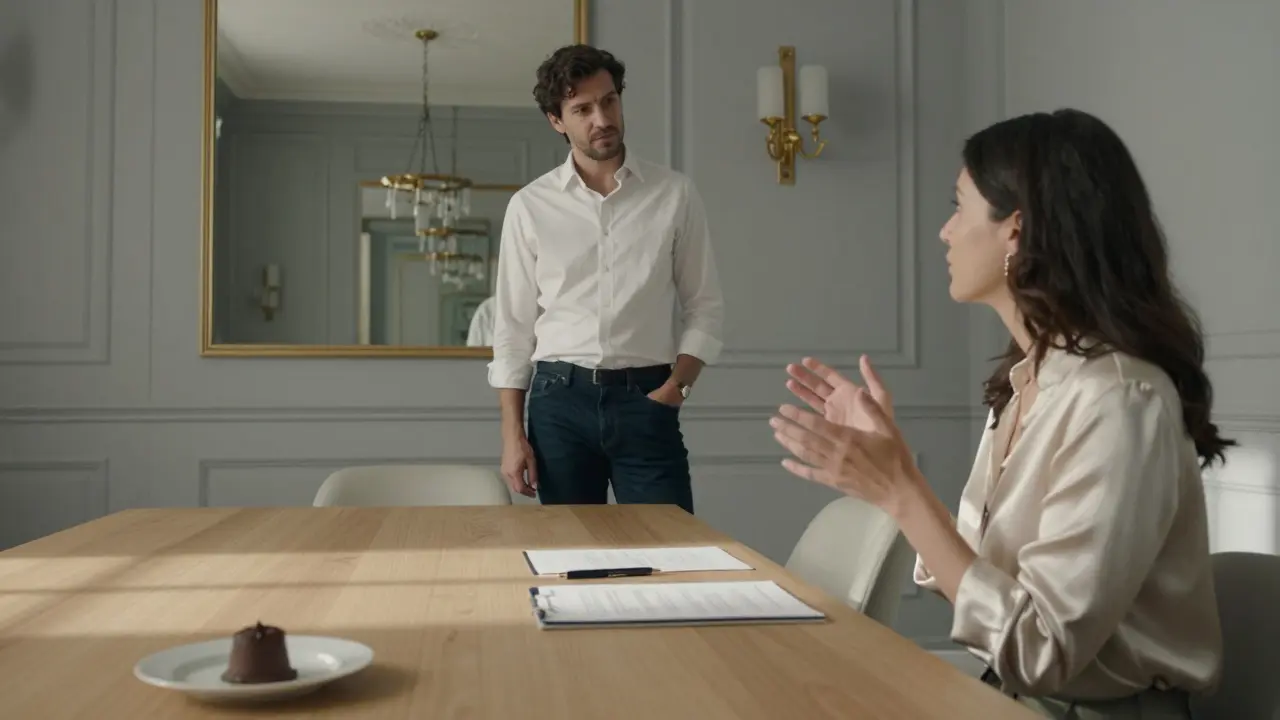
Parisians dress to impress-even on Tuesdays. You don’t need a suit, but you do need to look intentional. For men: dark jeans or tailored trousers, a crisp shirt, a blazer (even a lightweight one), and polished shoes. No sneakers. No hoodies. No visible logos. For women: a well-fitted dress, tailored pants with a silk top, or a structured coat. Minimal jewelry. Neutral tones. Avoid bright colors or anything too casual. Even in creative industries, there’s an unspoken rule: understated elegance wins.One mistake Americans make: thinking "business casual" means jeans and a t-shirt. In Paris, that’s just casual. And casual isn’t professional here. You’re not trying to blend in-you’re trying to show you understand the code.
Prepare Your Materials-But Don’t Overdo It
Bring your documents. Always. But don’t hand out 20-page binders. French professionals prefer concise, well-designed one-pagers. If you’re presenting, use no more than five slides. Bullet points. Clear data. No animations. No clip art. No stock photos of smiling hands shaking. They’ve seen it all. What they want is clarity, precision, and evidence. If you’re pitching a product, show them how it solves a real problem French companies face-like rising energy costs or labor regulations. Don’t just say it’s “innovative.” Show why it’s necessary.Always have a French version of your materials. Even if you’re speaking English, having a translated summary shows effort. And if you’re presenting in French? Even better. You don’t need to be fluent, but knowing key phrases like “Notre solution réduit les coûts de 22 %” or “Nous avons testé cela avec trois entreprises parisiennes” builds credibility.
Master the Art of the Follow-Up
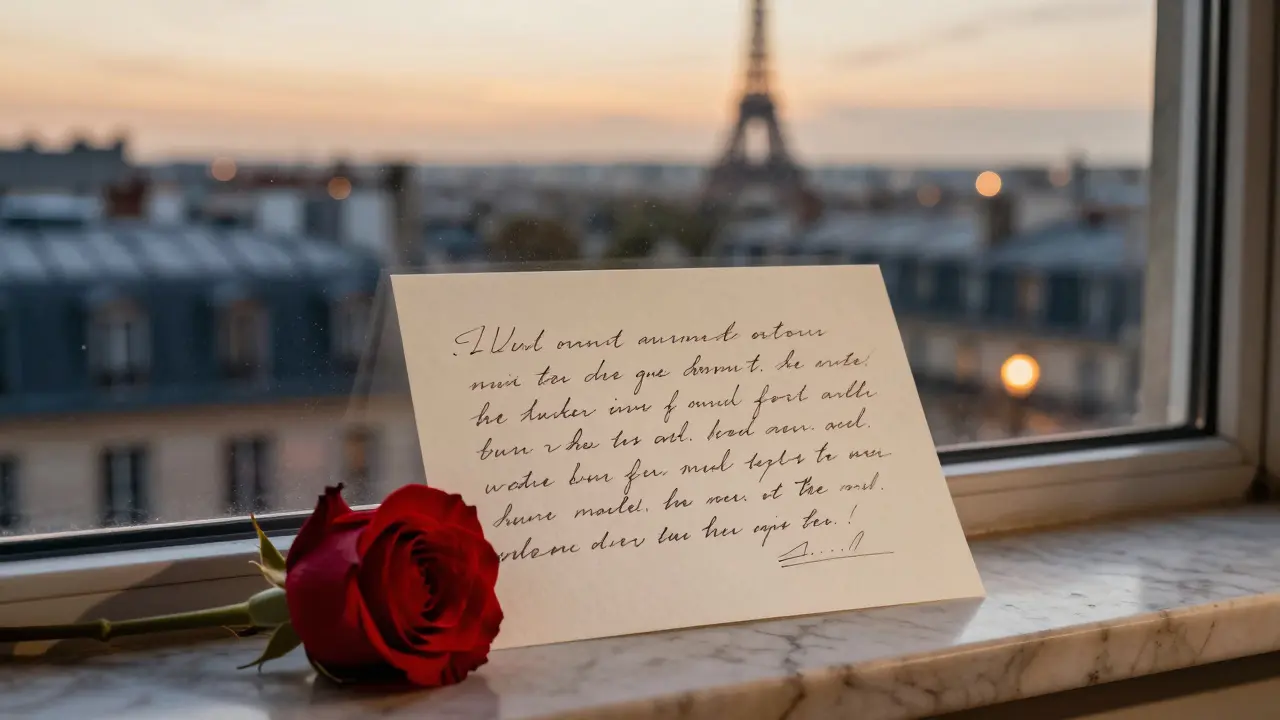
Don’t expect a decision right away. French meetings often end with “Je vais réfléchir” (“I’ll think about it”). That’s not a brush-off. It’s standard. They need time to consult with colleagues, check legal details, or compare options. Don’t follow up the next day. Wait at least 48 hours. Then send a short, polite email in French. Start with “Bonjour [Name],” thank them for their time, and restate one key point from the meeting. No pressure. No “Just checking in.” Just clarity.If you’re serious about this partnership, send a handwritten note. Yes, a real one. On nice paper. It’s rare. And in a world of emails and Slack messages, it stands out. A few lines in French, signed by hand-that’s the kind of gesture that turns a meeting into a relationship.
Learn a Few Key Phrases
You don’t need to speak fluent French. But you do need to speak it respectfully. Here are five phrases that make a difference:- “Merci beaucoup pour votre temps.” - Thank you very much for your time.
- “Je comprends votre point de vue.” - I understand your point of view.
- “C’est une excellente idée.” - That’s an excellent idea.
- “Pouvez-vous me préciser cela ?” - Could you clarify that for me?
- “Je reviendrai vers vous dans quelques jours.” - I’ll get back to you in a few days.
Use them naturally. Don’t overdo it. And never use Google Translate to speak to someone. It’s obvious. And it’s disrespectful. If you’re unsure, smile, say “Je ne parle pas très bien le français,” and switch to English. They’ll appreciate the honesty.
What Not to Do
Here’s what kills momentum in a Paris meeting:- Don’t push for a quick yes. French decisions are collective, not individual.
- Don’t brag about your company’s size or profits. Humility is valued.
- Don’t compare France to the U.S. or U.K. It’s not a competition.
- Don’t order alcohol unless they do. Even if it’s after 5 p.m.
- Don’t assume everyone speaks English. Many do-but not all.
Parisians respect quiet competence. They don’t need loud confidence. They need proof you’ve done your homework-not just on the product, but on them.
Final Thought: It’s About Respect, Not Sales
A meeting in Paris isn’t a transaction. It’s a handshake across cultures. The goal isn’t to convince. It’s to connect. The French don’t buy from people they don’t trust. They buy from people who understand their rhythm, their values, their pride.So prepare not just your slides. Prepare your mindset. Slow down. Listen more. Speak less. Dress well. Show up on time. And above all-show that you see them, not just their market.
Do I need to speak French to have a successful meeting in Paris?
No, you don’t need to be fluent, but you do need to show effort. Using even a few basic phrases like "Merci" or "Je comprends" signals respect. Most French professionals speak English, especially in business, but they notice when you try. Speaking French-even poorly-builds trust faster than perfect English.
What’s the best time of year to schedule a meeting in Paris?
Avoid August. Most French businesses shut down for vacation between mid-July and mid-August. July is still busy, but August is practically empty. Spring (April-June) and early fall (September-October) are ideal. The weather is pleasant, people are back from vacation, and decision-makers are focused. Winter (November-February) works too, but avoid the week before Christmas.
Should I bring a gift to a Paris meeting?
Not necessary, and often awkward. A small, thoughtful gesture-like a high-quality French chocolate from La Maison du Chocolat or a bottle of Bordeaux wine-is acceptable if given at the end of the meeting. But don’t present it as a bribe. Keep it simple. No branded merchandise. No oversized boxes. The goal is to be remembered for your professionalism, not your gift.
Is it okay to eat during a business meeting in Paris?
Only if they invite you. If you’re meeting for coffee or lunch, yes-eating is normal. But don’t order food unless asked. If you’re in a café and someone says, "On prend un croissant?"-then go ahead. But if you’re in a formal office setting, stick to coffee or water. Eating while presenting is seen as unprofessional.
How do I handle disagreement in a Paris meeting?
Disagreement is welcome-but it must be respectful. The French value intellectual debate. Don’t say, "You’re wrong." Say, "Je vois les choses différemment." (I see things differently.) Back it up with data, not emotion. Avoid raising your voice. Avoid personal attacks. The goal isn’t to win the argument-it’s to refine the idea together. Silence after a strong point? That’s often a sign they’re thinking deeply, not shutting you down.