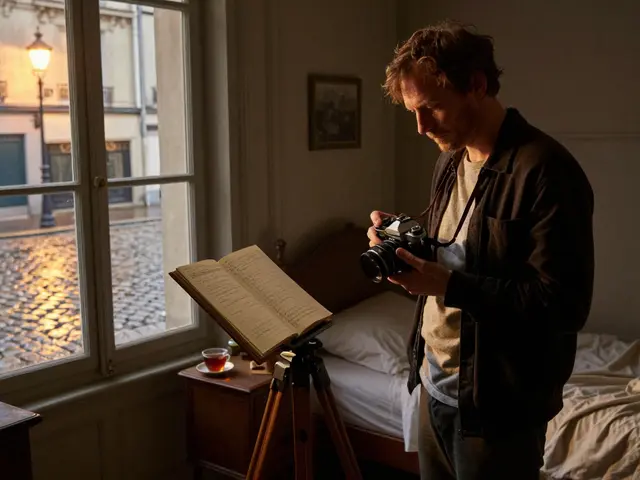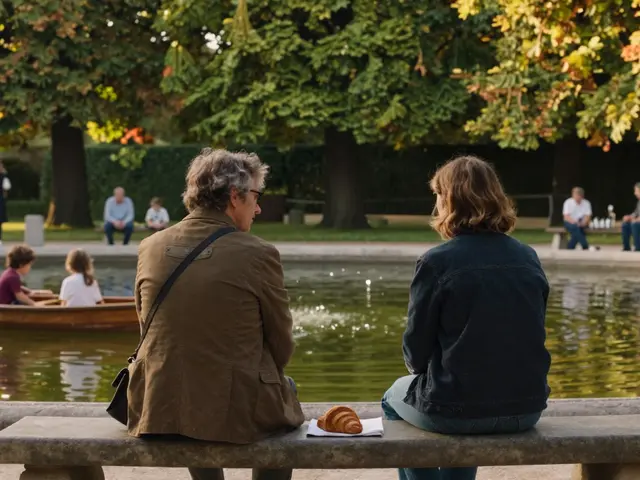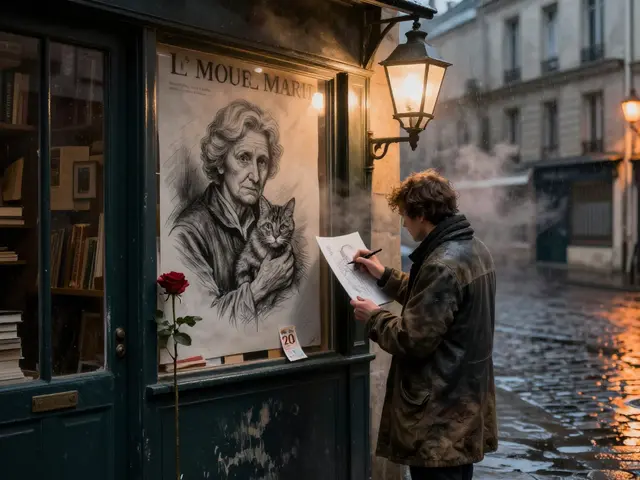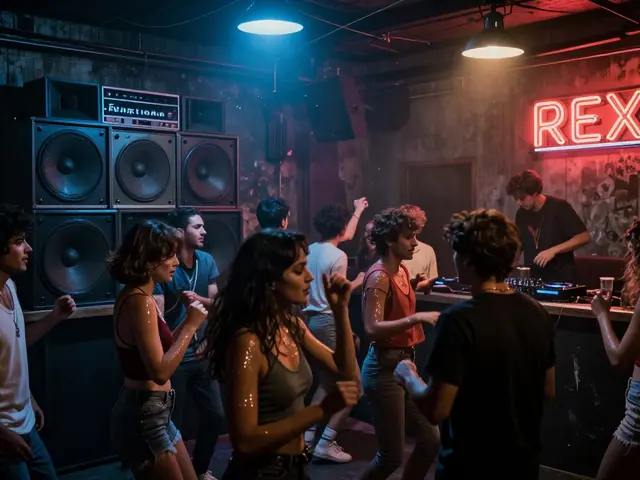
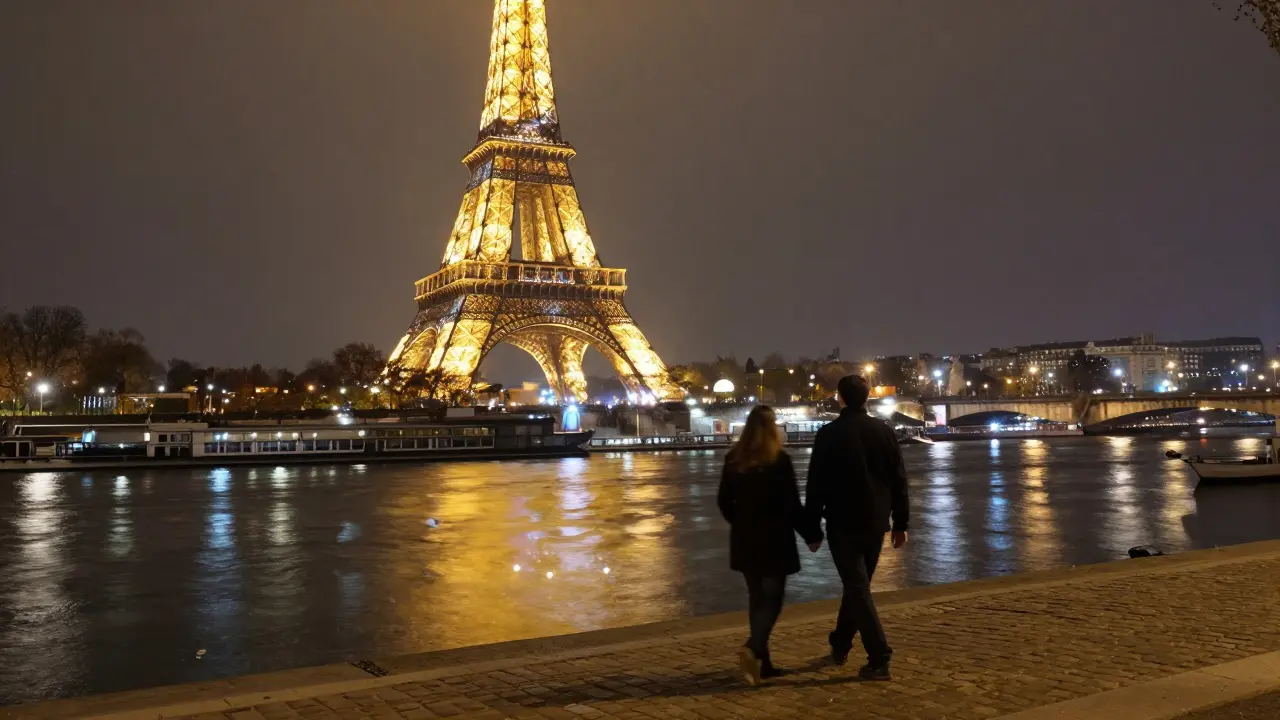
There’s something quietly magical about Paris after the sun goes down. The city doesn’t shut off-it transforms. The Eiffel Tower sparkles every hour on the hour, its golden lights dancing over the Seine like a slow-motion firework show. The Louvre’s glass pyramid glows under soft lamplight, no longer a queue-heavy attraction but a serene silhouette against the night sky. In Paris, night tours aren’t just about seeing more sights-they’re about feeling the city breathe in a different rhythm.
Why Paris at Night Feels Different
Daytime Paris is bustling, crowded, and often overwhelming. Tourists line up for croissants at Du Pain et des Idées. Metro platforms are packed. The Champs-Élysées hums with buskers and selfie sticks. But after 8 p.m., the energy shifts. Locals step out-not to party, but to walk. To think. To linger. The city becomes intimate. You notice the scent of fresh baguettes from a boulangerie still open past 10 p.m. You hear the muffled jazz from a hidden bar in Le Marais. You catch the echo of footsteps on cobblestones near Saint-Germain-des-Prés, where Sartre once debated philosophy under the same lampposts.Night tours in Paris aren’t guided bus rides or loud group excursions. They’re slow, thoughtful walks. They’re the kind where you follow a local’s lead-or your own curiosity-past shuttered boutiques, silent fountains, and alleyways where the only sign of life is a single lit window in a Haussmann apartment.
Where to Walk: The Best Moonlit Paths
Start at the Quai d’Orsay, where the Seine reflects the glow of the Assemblée Nationale. Walk west toward the Pont Alexandre III, its gilded nymphs and lampposts glowing like relics from another century. This bridge, often empty after midnight, feels like a secret. Continue to the Place de la Concorde, where the obelisk stands like a silent sentinel, no longer surrounded by tour groups but by the occasional couple holding hands or a lone reader on a bench with a book.Head north into the Latin Quarter. The streets around Rue de la Huchette still hum with the ghosts of jazz legends, but now the music comes from small, unmarked clubs like Le Caveau de la Huchette, where live swing plays until 2 a.m. and the walls still smell of old wine and cigarette smoke. Don’t go for the noise-go for the atmosphere. This is Parisian nightlife at its most authentic: not flashy, not marketed, just lived-in.
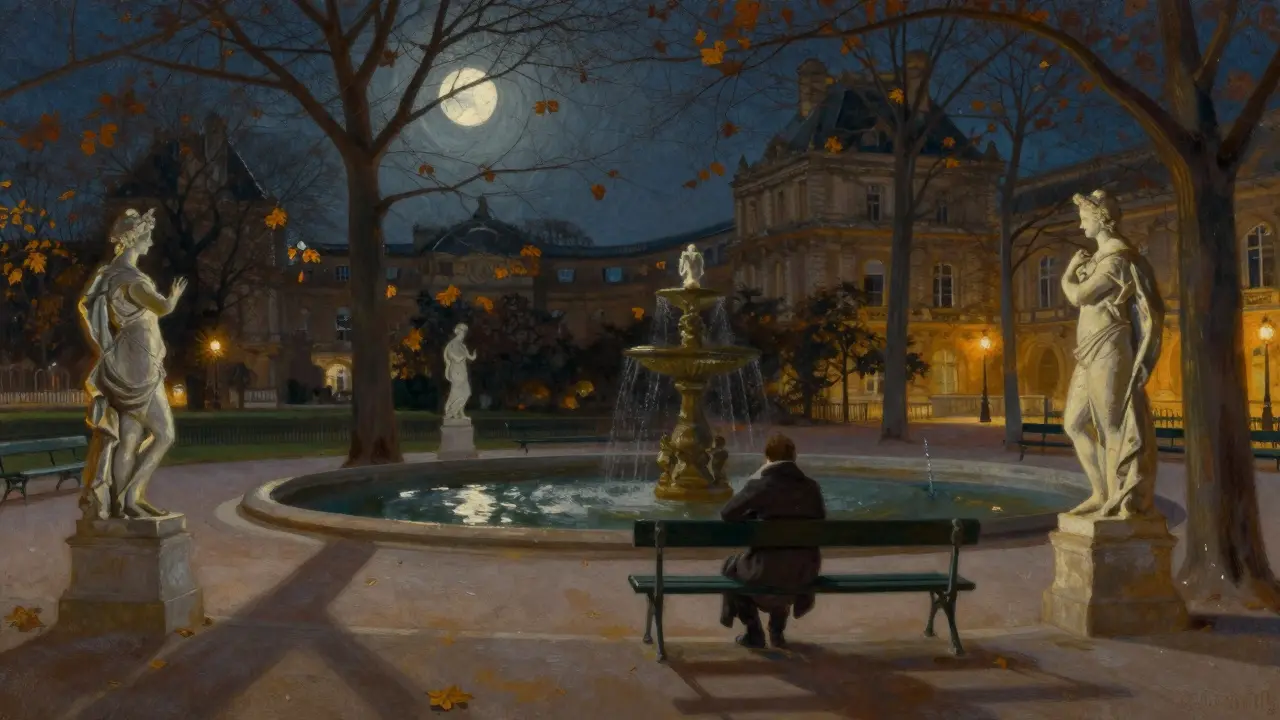
For a quieter stretch, try the Jardin du Luxembourg after dark. The statues of queens and philosophers are bathed in soft light. The Medici Fountain trickles without an audience. Locals come here to sit alone, to smoke a cigarette, to watch the moon move across the trees. It’s the kind of place you won’t find on any tourist brochure-but every Parisian knows it.
What Makes a Night Tour in Paris Truly Special
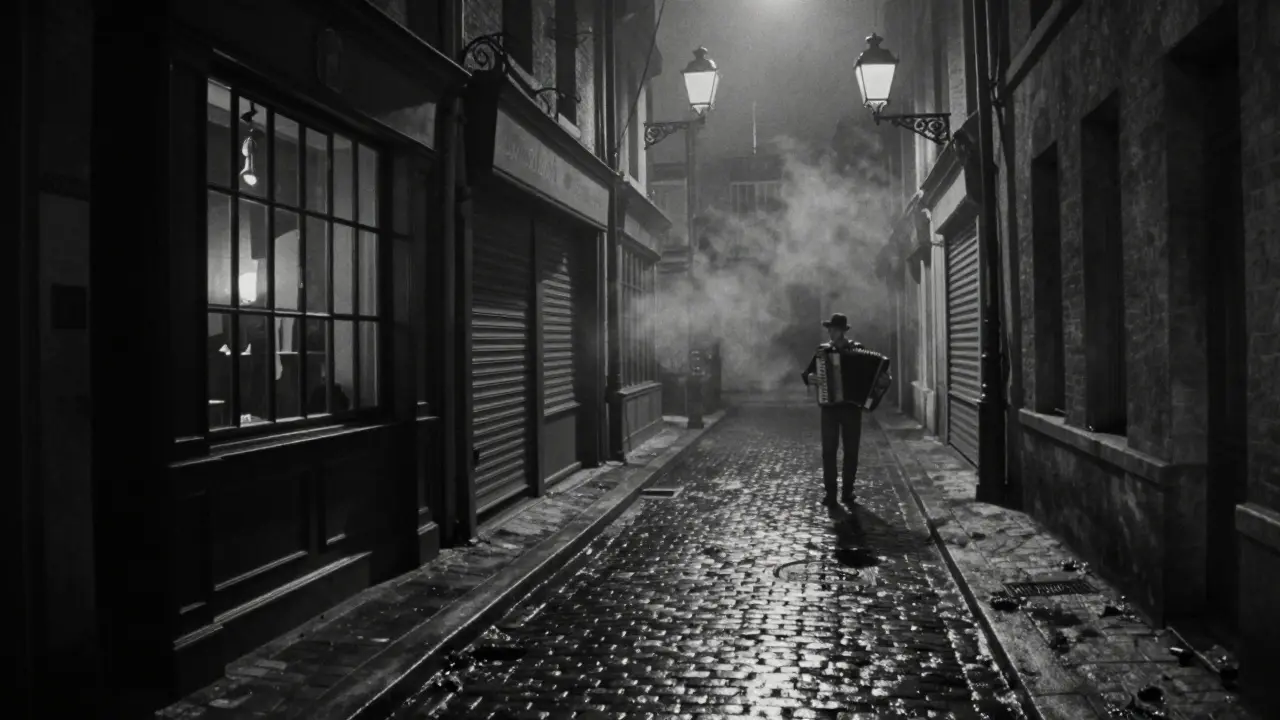
Unlike other cities where nighttime means neon signs and loud music, Parisian nights are about restraint. There’s no need for fireworks when the city itself is the spectacle. The light show at the Eiffel Tower lasts only five minutes, but it’s enough. The sound of a single accordion playing “La Vie en Rose” near Montmartre is more powerful than any concert hall. Even the metro becomes part of the experience-riding the Line 12 at midnight, when the train is half-empty and the lights flicker just slightly, feels like slipping into a private film.Parisians don’t need to pay for guided night tours. They walk. They explore. They let the city reveal itself. But for visitors-or even locals who’ve forgotten how to slow down-there’s value in structure. Companies like Paris Walking Tours offer small-group evening strolls led by historians who know where the hidden courtyards are, who can tell you which café Balzac frequented, or where the last duel in Paris took place (near the Jardin du Luxembourg, in 1897).
Local Tips for the Best Night Experience
- Wear comfortable shoes. Parisian streets aren’t flat. Cobblestones, stairs, and uneven sidewalks are part of the charm-and the challenge.
- Carry a small snack. A piece of Comté cheese and a baguette from Boulangerie Utopie in the 11th arrondissement makes a perfect midnight picnic near the Canal Saint-Martin.
- Visit the Canal Saint-Martin between 10 p.m. and midnight. The water is still. The bridges are lit. Locals sit on the banks with wine, chatting quietly. It’s the closest Paris gets to a secret garden after dark.
- Skip the tourist boats on the Seine. Instead, take the Navette Fluviale (water bus) from Bercy to La Défense. It runs until 1 a.m., costs €2.10, and gives you a view of the city’s skyline without the crowds.
- Don’t expect 24-hour everything. Even in Paris, most museums close at 6 p.m. (except the Louvre on Wednesdays and Fridays). But bakeries? Many stay open until 11 p.m. or later. Look for the boulangerie artisanale signs.
When to Go: Seasons and Weather
Spring and autumn are ideal. The air is crisp, the days are shorter, and the city feels like it’s wrapped in a wool blanket. In summer, the nights are warm but crowded. In winter, the cold bites-but the snow-dusted rooftops of Montmartre, the mist rising off the Seine, and the quiet glow of Christmas lights along Rue de Rivoli make it worth it.One of the most memorable night walks I’ve heard about happened in January 2024, during a rare snowfall. A group of expats wandered from Notre-Dame to the Panthéon, their footsteps muffled by snow. No one spoke much. The city was hushed. Even the pigeons were gone. One woman later said, “It felt like we were the only people left in the world-and Paris was showing us its most honest face.”
Why Night Tours Are More Than a Sightseeing Activity
Night tours in Paris aren’t about checking off landmarks. They’re about connection. They’re about realizing that this city, so often portrayed as a postcard, is also a living, breathing entity with moods, rhythms, and quiet corners. It’s where a single streetlamp can feel like a friend. Where the sound of a distant train whistle carries farther than any guide’s voice. Where the scent of rain on wet stone is more poetic than any poem.If you’ve only seen Paris in daylight, you’ve only seen half the story. The real Paris doesn’t roar-it whispers. And if you’re willing to walk slowly, listen closely, and let the night unfold, you’ll find that the city has been waiting for you all along.